Tuesday, April 5, 2016

Pancha Skandha Philosophy in Buddhism

ബുദ്ധമതത്തിലെ  പഞ്ചസ്കന്ധ തത്ത്വം 
==================================


 ജീവിതം എന്താണെന്നുള്ള ചോദ്യത്തിന് യുക്തി യുക്തമായ ഉത്തരം നൽകുന്നതിനു വേണ്ടിയാണ് ശാസ്ത്രം വികസിച്ചു വരുന്നതിന് വഴി ഒരുക്കിയത് .എന്നാൽ കുറെ ചോദ്യങ്ങൾ ഇവിടെ അവശേഷിക്കുന്നു.


പ്രതി നിമിഷം'മാറിമറിഞ്ഞു രൂപാന്തര പെട്ടുകൊണ്ടിരിക്കുന്ന ഘടഘങ്ങളെ മാത്രമേ ഭഗവാൻ ബുദ്ധൻ മനുഷ്യനിൽ കാണുന്നുള്ളൂ.
മനുഷ്യന്റെ സ്വരൂപത്തെ കുറിക്കുന്ന ഇത്തരം വിഷയങ്ങളിൽ ബുദ്ധമതത്തിന്റെ അഭിപ്രായം എന്താണ്?

1.ഏതു  വിധത്തിൽ ജീവിതം നയിക്കണം?
2.ജീവിതത്തിന്റെ പരമമായ ലക്ഷ്യം എന്താണ്?
3.മനുഷ്യൻ കേവലം ഭൌതികമായ ഒരു പ്രതിഭാസം മാത്രമാണോ?.
4.മണ്ണും ,വെള്ളവും ,തീയും ,കാറ്റും മറ്റും ചേർന്നുണ്ടായ ഒരു കൂടു പദാർത്ഥം മാത്രമാണോ മനുഷ്യൻ?


ശരീരവും മനസ്സും ഒരുപോലെ ചങ്ങലകൾ ആണെന്നും അവയിൽ  നിന്നും ഭിന്നമായി മറ്റു മതങ്ങള പറയുന്നതുപോലെ സ്ഥിരമായ ഒരു ആത്മ തത്വം മനുഷ്യനിൽ ഇല്ലെന്നുമാണ് ബുദ്ധന്റെ കാഴ്ചപ്പാട്.

മനുഷ്യനിൽ അടങ്ങിയിട്ടുള്ള ഘടകങ്ങൾ എന്തെല്ലാമാണ് ?


മനുഷ്യനെയും അവനു അറിയാൻ കഴിയുന്ന പ്രപഞ്ചത്തിന്റെയും കഥ കേവലം അഞ്ചിൽ മാത്രമായി ഭഗവാൻ ബുദ്ധൻ ഒതുക്കുന്നു.ഈ അഞ്ച് ഘടകങ്ങൾക്ക് ബുദ്ധമതം പഞ്ചസ്കന്ധങ്ങൾ എന്ന് പേര് നൽകിയിരിക്കുന്നു .
സ്കന്ധങ്ങൾ താഴെ പറയുന്നവയാണ് .


1.രൂപ സ്കന്ധം
2.വേദന സ്കന്ധം
3.സംഞ്ജ സ്കന്ധം
4.സംസ്കാര സ്കന്ധം
5.വിജ്ഞാന സ്കന്ധം


ഈ സ്കന്ധങ്ങളിൽ ഓരോ വിഭാഗത്തിലും അതാതുമായി ബന്ധപെട്ട ഒന്നിലതികം അവാന്തര വിഭാഗങ്ങൾ  ഉള്ളതുകൊണ്ടാണ് സമൂഹം എന്ന് അർത്ഥമുള്ള സ്കന്ധം എന്ന പദം പ്രയോഗിച്ചിരിക്കുന്നത് .

1.രൂപ സ്കന്ധം .

ജഡമായി എണ്ണപ്പെടുന്ന സകല പഥാർത്തങ്ങളും അവയുടെ ധർമ്മങ്ങളും ഇതിൽ ഉൾപെടുന്നു .
കണ്ണ് ,മൂക്ക് ,തൊക്ക് ,നാക്ക്, ചെവി .ഇവക്ക് ഗ്രഹിക്കാൻ കഴിയുന്ന എല്ലാംതന്നെ പദാർത്ഥങ്ങൾ ആയതുകൊണ്ടും അവയും, അവയുടെ ധർമ്മങ്ങളും രൂപസ്കന്ധത്തിൽ പെടുന്നു.

പരമാണുക്കൾ ചേർന്നിട്ടുള്ള മണ്ണ് ,വെള്ളം തീ,കാറ്റ് എന്നീ നാല് ഭൂതങ്ങളും രൂപ സ്കന്ധത്തിൽപ്പെടുന്നു.
മറ്റ് മതങ്ങളിൽ ആകാശത്തെ പഞ്ചഭൂതങ്ങളിൽ അവസാനത്തെ ഭൂതമായി പരിഗണിക്കുന്നുണ്ടെങ്കിലും രൂപമില്ലാത്തതിനാലും ,പരമാണുക്കളുടെ സംഘാതമില്ലാത്തതിനാലും ആകാശത്തെ ബുദ്ധൻ ഭൂതമായി കണക്കാക്കുന്നില്ല.പഞ്ചേന്ദ്രിയങ്ങളും അവയ്ക്ക് ഗോചരമായ രൂപം ,ശബ്ദം ,ഗന്ധം,രസം ,സ്പർശം എന്നീ ഗുണങ്ങളും രൂപ സ്കന്ധത്തിൽ തന്നെ.സ്ത്രീ പുരുഷ ഭേദങ്ങളും വിചാരം വീര്യം ദേശം,എന്ന ഉപാദികളും,ആശയ  വിനിമയത്തിനുള്ള ഉപാദികളായ വാക്യം, ആഗ്യം,എന്നിവയും ജീവച്ഛരീരങ്ങളുടെ ധർമ്മങ്ങളായ ലാഘവം ,വഴക്കം ,പരിസരങ്ങൾക്കൊത്ത നില,ക്ഷയം ,പരിണിതി തുടങ്ങിയവയും ഭഗവാൻ ബുദ്ധന്റെ  അഭിപ്രായത്തിൽ  രൂപസ്കന്ധങ്ങൾ  തന്നെ .

2.വേദന സ്കന്ധം

മനുഷ്യനിൽ അടങ്ങിയിട്ടുള്ള രണ്ടാമത്തെ ഘടകത്തിന് വേദന സ്കന്ധമെന്നു പേര് നൽകിയിരിക്കുന്നു .വേദന എന്നുവെച്ചാൽ ഇന്ദ്രിയങ്ങൾ അതാതിനോട് ചേർന്ന പദാർത്ഥങ്ങളുമായി സംഘടിക്കുമ്പോൾ ഉടനടി ഉണ്ടാകുന്നതായ പ്രതീതി എന്നാണ് അർത്ഥമാക്കുന്നത്.ആധുനിക ശാസ്ത്രത്തിൽ ഇതിന് സെൻസേഷൻ എന്നാണ് അർത്ഥമാക്കുന്നത്.
വേദന എന്ന ശബ്ദത്തിൽ നിന്നും ഇതിന്റെ സ്വഭാവത്തെ മനസ്സിലാക്കാം.അറിയുക എന്നാണ് വേദന എന്ന പദത്തിലെ "വിദ്" എന്ന വാക്കിന്റെ അർത്ഥം.ഇന്ദ്രിയവും അതിന്റെ വിഷയവും തമ്മിൽ സമ്പർക്കം ഉണ്ടാകുമ്പോൾ ഉണ്ടാകുന്ന പ്രാഥമികമായ പ്രതീതി (അറിവ്) തന്നെ വേദന.പഞ്ചേന്ദ്രിയങ്ങളിൽ ഓരോന്നിനും അതാതിന് യോജിച്ച രീതികളിൽ പ്രതീതികൾ ഉളവാക്കുന്നു.പൂര്ണ്ണമായ കാഴ്ചയുടെ മുൻ രൂപമായ നേരിയ പ്രതീതിയെ കണ്ണ് അതിന്റെ വിഷയത്തോട് മുട്ടുന്ന മാത്രയിൽ ഉണ്ടാക്കും.അതുപോലെ നാല് ഇന്ദ്രിയങ്ങളും കൂടാതെ അതീന്ദ്രിയമായ മനസ്സ് ഓർമ്മശക്തി വഴി ഉള്ളിലുണ്ടാക്കുന്ന പ്രതീതികളെയും വേദനകളായി കണക്കാക്കാം.ഈ ആറുതരത്തിലുള്ള പ്രതീതി സമൂഹങ്ങളെ വീണ്ടും അനുകൂലങ്ങളായും പ്രതികൂലങ്ങളായും രണ്ടുമല്ലാത്ത ഉദാസീനങ്ങളായും തിരിക്കാം.ആകെക്കൂടി ഈ വിധത്തിൽ നോക്കിയാൽ വേദന സ്കന്ധത്തിൽ പതിനെട്ട് തരത്തിലുള്ള പ്രാഥമിക പ്രതീതിക്ക് ഇടമുള്ളതായി കാണാം.

3.സംജ്ജ്ഞ സ്കന്ധം

മൂന്നാമത്തെ വിഭാഗമായ സംജ്ജ്ഞ സ്കന്ധത്തിന് വേദന സ്കന്ധവുമായി അടുപ്പമുണ്ട്.രണ്ടാമത്തേതിൽ ഉൾപെട്ട ആറുതരം വേദന (പ്രതീതി,അറിവ്) കളെയും ആസ്പദമാക്കി അവയുടെ പ്രതിഫലനം എന്നോണം മനസ്സില് ഉടലെടുക്കുന്ന ആശയങ്ങളെ സംജ്ജ്ഞകൾ  എന്ന് വിളിക്കുന്നു.ഉദാഹരണത്തിന് കണ്ണ് പച്ചിലയിൽ പതിക്കുമ്പോൾ ഉണ്ടാകുന്ന പ്രാഥമികമായ പ്രതീതി (വേദന) പച്ച എന്ന ആശയം ഉണ്ടാക്കുവാൻ പ്രേരണ ആയി തീരുന്നു.പ്രതീതി ക്ഷണത്തിൽ അതിൽ നിന്ന് വേർതിരിച്ച് അതിന്റെ ഉള്ളടക്കത്തിന് നാമകരണം ചെയ്യുമ്പോൾ സംജ്ജ്ഞയായി.
ഇവിടെ പച്ച എന്നുള്ളത് സംജ്ജ്ഞ .ഇതുപോലെ മറ്റുള്ള ഇന്ദ്രിയങ്ങളും അതാതിനോട് ചേർന്ന പ്രതീതികളിൽനിന്നും സംജ്ജ്ഞ കളെ ഉളവാക്കുന്നു .ഇന്ദ്രിയത്തിലൂടെ ഉണ്ടാകുന്ന അനുഭവങ്ങൾക്ക് അവയുടെ ബാഹ്യ രൂപങ്ങളിൽ നിന്നും മാറി മനസ്സില് ഉണ്ടാക്കുന്ന രൂപവിശേഷങ്ങൾ ആണ് സംജ്ജ്ഞ സ്കന്ധത്തിന്റെ ഉള്ളടക്കം .

4.സംസ്കാര സ്കന്ധം.

നാലാം സ്കന്ധമായ സംസ്കാരം വളരെ പ്രാധാന്യം അർഹിക്കുന്ന വിഭാഗമാണ് .എണ്ണത്തിൽ സംസ്കാരങ്ങളെ 52 എണ്ണമായി ബുദ്ധമതം വേർതിരിച്ചിട്ടുണ്ടെങ്കിലും അവ സ്വതന്ത്രങ്ങളല്ല.മുൻപ് മൂന്നു സ്കന്ധങ്ങളിൽ ഉൾപെട്ട ചില ഘടകങ്ങളും സംസ്കാര സ്കന്ധത്തിൽ പരിഗണിക്കപെട്ടിട്ടുണ്ട്.സംസ്കാരം എന്നുള്ളത് മാനസ്സിക പ്രവർത്തനങ്ങളുടെ ആകെകൂടിയുള്ള ഒരു പേര് മാത്രമാണ്.സംസ്കാര സ്കന്ധത്തിൽ ഉൾപെട്ടിട്ടുള്ള ഘടകങ്ങൾ താഴെ കൊടുക്കുന്നു.സ്പർശം ,ഇന്ദ്രിയങ്ങളും അവയുടെ വിഷയങ്ങളുമായുള്ള സമ്പർക്കം,സ്പർശത്തിന്റെ ഫലമായി ഉണ്ടായ പ്രതീതി (വേദന)എന്നിവ എല്ലാം സംസ്കാരം തന്നെ.വേദനകളെ അടിസ്ഥാനമാക്കി മനസ്സിൽ രൂപമെടുക്കുന്ന ആശയങ്ങളെ ,അതായത് സംജ്ജ്ഞകളെ അനുഭവസ്ഥൻറെ നിലയിൽ  നിന്നും അയാളുടെ ആഭ്യന്തര സമ്പത്ത് ആയി പരിഗണിക്കുമ്പോൾ സംസ്കാരമായി മാറുന്നു.
ആശയങ്ങളെ യഥാസമയം അടുക്കി ചേർത്ത് രൂപം കൊടുക്കുമ്പോൾ കിട്ടുന്ന ചിന്താശകലങ്ങളും സംസ്കാരങ്ങൾ തന്നെ.അവക്ക് ബുദ്ധ മതത്തിൽ കൊടുത്തിരിക്കുന്ന പേര് ചേതന എന്നാണ് .ഇവയെ വീണ്ടും വീണ്ടും മറിച്ചും തിരിച്ചും പരിശോദിക്കുന്ന ആലോചനാഗതിയും സംസ്കാരം തന്നെ.
സ്മൃതി ,ഉത്സാഹം ,ഏകാഗ്രത ,ജാഗരൂഗത,വിചാരം എല്ലാ മനോ വ്യാപാരങ്ങൾക്കും തുണയായി നിൽക്കുന്ന വീര്യം ,ഇടതടവില്ലാതെ നിൽക്കുന്ന ക്രിയാഭിമുഖ്യം,പ്രീതി ,മധ്യസ്ഥത ,ആലസ്യം ,മോഹം, ഭയം,എടുത്തുചാട്ടം ,ലജ്ജ,ദേഷ്യം,സംശയം ,ശ്രദ്ധ ,വ്യാമോഹം,പ്രസാദം ,ലാഘവം ,മാർദ്ദവം വൈദഗ്ദ്യം,ആർജ്ജവം, വാക്ക് ,പ്രവർത്തി ,കരുണ, ഈർഷ്യ,മാത്സര്യം,ക്രൌര്യം ,അഭിമാനം,ഇങ്ങിനെ പല മാനസ്സിക പ്രവർത്തികളെയും പ്രത്യേകം പേരെടുത്ത് കൊടുത്തതിൽ ചിലതാണ് ഇവ .
വാസ്തവത്തിൽ നിർവ്വാണവും,ആകാശവും ഒഴിച്ച് മറ്റെല്ലാം സംസ്കാരമായി ബുദ്ധമതം അഭിപ്രായപെടുന്നു.

5.വിജ്ജ്ഞാന സ്കന്ധം.

അഞ്ചാമത്തെ സ്കന്ധത്തിനു കൊടുത്തിട്ടുള്ള പേര് വിജ്ജ്ഞാനമാണ്.ചേതന എന്ന പേരിൽ സംസ്കാര സ്കന്ധത്തിൽ ചേർത്തിട്ടുള്ള മനസ്സിന്റെ പ്രവർത്തിയുടെ വിശദീകരണവും ,വിപുലീകരണവുമാണ് വിജ്ജ്ഞാനത്തെ ഒരു പ്രത്യേക സ്കന്ധ്മായി പരിഗണിച്ച് പഠിക്കാനുള്ള കാരണമത്രെ.ചേതനയുടെ പ്രവത്തികൾ അഥവ ബോധപൂർവ്വമായ പ്രവർത്തികൾ നല്ലതോ ചീത്തയോ ആകാം .ഇവയുടെ ഏറ്റകുറച്ചിൽ ആലോചിച്ചാൽ വിജ്ജ്ഞാനത്തിന്റെ വക ഭേദങ്ങൾ ഒട്ടേറെ ഉണ്ട്.വിജ്ജ്ഞാനഭേദങ്ങൾ ഉൾകൊള്ളുന്ന ഈ സ്കന്ധത്തിൽ മനുഷ്യന് കൊടുത്തിട്ടുള്ള സ്ഥാനം ഏറ്റവും മികച്ചതാണ്.സംസാര യാത്രയിൽ ഓരോ ജീവിതത്തിലും വ്യക്തികൾക്ക് ലഭിക്കുന്ന കർമ്മങ്ങളെ ,പുണ്യ പുണ്യങ്ങളെ,ഈ വിജ്ജ്ഞാനത്തിന്റെ സത്തായും ബുദ്ധമതം വിലയിരുത്തുന്നു.ഈ കർമ്മ ഫലങ്ങളോ ,പുണ്യ പുണ്യങ്ങളോ ആണ് ജന്മ ജന്മാന്തരങ്ങൾക്ക് കാരണമാകുന്നത്.അപ്പോൾ വിജ്ജ്ഞാനം കർമ്മ ഫലങ്ങൾക്ക് അനുരൂപമായി ആവിർഭവിക്കുകയും ഇല്ലാതാകുകയും ചെയ്യുന്ന ചിത്രമാണ് ലഭിക്കുക.
സംസാരത്തിനും വിജ്ജ്ഞാനത്തിനും തമ്മിലുള്ള ബന്ധവും സുസൂഷ്മമാകുന്നു.ബുദ്ധമതത്തിലെ കാര്യ കാരണ വാദത്തെ കുറിച്ച് ചർച്ച ചെയ്യുമ്പോൾ ഇതിന്റെ പ്രാധാന്യം വ്യക്ത്തമാകും.വിജ്ജ്ഞാനമില്ലെങ്കിൽ മറ്റു സ്കന്ധങ്ങൾക്ക് ആവിർഭവിക്കാൻ കഴിയില്ല.ഇതര സ്കന്ധങ്ങൾക്ക് സ്വയം പ്രവർത്തിക്കാൻ കഴിവില്ല.രൂപം ,വേദന ,സംജ്ജ്ഞ എന്നിവയെല്ലാം വിജ്ജ്ഞാനത്തിന്റെ പ്രവർത്തനങ്ങൾ ആകുന്നു .അപ്പോൾ വിജ്ജ്ഞാനത്തിന്റെ പ്രകാശമില്ലെങ്കിൽ ഇവക്ക് എങ്ങിനെ പ്രവർത്തിക്കാൻ കഴിയും?
ചുരുക്കത്തിൽ പഞ്ച സ്കന്ധങ്ങൾ വിവിധങ്ങളായ മാനസ്സിക ഘടകങ്ങൾ ആകുന്നു.

രൂപ സ്കന്ധം ബാഹ്യലോകത്തോട് ബന്ധപെട്ടിരിക്കുന്നു.രൂപസ്കന്ധത്തെ പാടെ തിരസ്കരിക്കുന്ന പക്ഷം ബാഹ്യലോക ബോധമോ അതിനെ ആശ്രയിച്ചുള്ള വ്യവഹാരമോ ഉണ്ടാകുകയില്ല.മാനസിക ഘടകങ്ങളിൽ ബാഹ്യതയോട് ബന്ധപെട്ടത് രൂപസ്കന്ധമാകുന്നു.

മറ്റ് നാല് സ്കന്ധങ്ങളും വെറും ആഭ്യന്തര ഘടകങ്ങൾ മാത്രമാകുന്നു.മനസ്സിന്റെ നാനാ പ്രവർത്തികളെ തരം തിരിക്കുമ്പോൾ വേദന,സംജ്ജ്ഞ ,സംസ്കാരം ,വിജ്ജ്ഞാനം എന്നീ ഘടകങ്ങൾ ആവിർഭവിക്കുന്നു.ഇവയുടെ സ്വരൂപ ബോധം കൂടുതൽ വിശദമാക്കുവാൻ ക്രമേണ രൂപമെടുക്കുന്നതും അതോടൊപ്പം തന്നെ ശിഥിലമാകുന്നതുമായ വെള്ളത്തിലെ നുരക്കട്ട പോലെ രൂപസ്കന്ധത്തെ ഉപമിക്കാം.രൂപസ്കന്ധത്തിൽപെട്ട ഘടകങ്ങളുടെ ചഞ്ചലത ,ഉപമയിൽ നിന്നും വെളിവാകുന്നു.

വെള്ളപരപ്പിൽ സ്വൽപസമയം തത്തികളിക്കുന്ന ഒരു കുമിളയോട് വേദന സ്കന്ധത്തെ ഉപമിക്കാം.അതുപോലെ ക്ഷണികവും എന്നാൽ സ്ഫുടവുമാണ് വേദന സ്കന്ധത്തിന്റെ പ്രാഥമിക പ്രതീതികൾ.

മനോദർപ്പണത്തിൽ മാത്രം കാണുന്ന സംജ്ജ്ഞകൾ സൂര്യപ്രകാശത്തിൽ തെളിഞ്ഞു വിളങ്ങുന്ന കനൽ പ്രവാഹത്തിന് തുല്യമത്രെ.

ഉറപ്പില്ലാത്ത വാഴത്തടിപോലെ സംസ്കാരങ്ങൾ ചഞ്ചലങ്ങളും  തമ്മിൽ പിണഞ്ഞ് കുരുങ്ങികൊണ്ടിരിക്കുന്നവയുമാകുന്നു.

വിജ്ജ്ഞാനമാകട്ടെ ഇന്ദ്രജാലം പോലെ മായികവും സമുജ്ജലവുമാണ്.

മനുഷ്യനെ അഞ്ച് സ്കന്ധങ്ങളായി മാത്രം വിശേഷിപ്പിച്ചാൽ ഒരു കാര്യം വ്യക്ത്തമാകും.മറ്റു മതങ്ങൾക്കെല്ലാം അനുപേക്ഷണീയമായി തീർന്നിട്ടുള്ള ആത്മാവെന്ന ഘടകം ഇതിൽ ഉൾപെട്ടിട്ടില്ല.
അവസ്ഥാവിശേഷങ്ങളെയോ ഉപാദികളെയോ കൂസാതെ ,അവയുടെ മാറ്റങ്ങളിലും ഏറ്റക്കുറച്ചലുകളിലും ഒരുപോലെ നിർലിപ്തമായി ശാശ്വത സുഖം അനുഭവിക്കാൻ കച്ചകെട്ടിയ ചൈതന്യമായ ഒരു ഘടകത്തെ ബുദ്ധമതം അംഗീകരിക്കുന്നില്ല. പഞ്ചസ്കന്ധവാദം കൊണ്ട്   ആത്മവാദത്തെ ചോദ്യം ചെയ്യുകയായിരുന്നു മഹാനായ ബുദ്ധൻ .
.....................................
ഹരിദാസ് ബോധ്

Monday, April 4, 2016

Conducted Buddhist Meditation and Discourses

 One day Buddhist Meditation and discourses conducted at International Buddhist meditation society Wayanad,Kerala. Ven.Vinaya Rakhitha Banteji lead the programme.


Friday, April 1, 2016

ബുദ്ധ മതത്തിലെ അനാത്മ (anatta)വാദം


അനാത്മ വാദം ബുദ്ധമതത്തിന്റെ അടിസ്ഥാന വിശ്വാസമാകുന്നു.മറ്റു മതങ്ങളെല്ലാം ആത്മാവിൽ പ്രാധാന്യം കൊടുക്കുമ്പോൾ ബുദ്ധമതം കടക വിരുദ്ധമായ നിലപാടാണ് ഇക്കാര്യത്തിൽ സ്വീകരിച്ചിട്ടുള്ളത് .മനുഷ്യരെ രക്ഷിക്കുകയും,നിത്യമായ ഒരു പദവിയിൽ അവരെ എത്തിക്കുക ഇതാണല്ലോ മതങ്ങളുടെ ഒരു പ്രഖ്യാപിതമായ നയം. ഈ പദവി അനുഭവിക്കേണ്ടത് നശ്വരമായ ശരീമോ മനസ്സോ അല്ലെന്നും ,ഇവയിൽ നിന്നും വ്യത്യസ്തമായി കാലങ്ങള കൊണ്ട് ഒരു കോട്ടവും തട്ടാതെ നിലകൊള്ളുന്ന ഒരു ഘടകമാണ് മനുഷ്യന്റെ ആത്മാവെന്നും മറ്റെല്ലാ മതങ്ങളും വിശ്വസിക്കുന്നു.ആത്മാവില്ലാത്ത മതം ആട്ടം കാണുന്നതിനു തുല്യമാണെന്നും അവർ വിശ്വസിച്ചു വരുന്നു.

ആത്മാവിനെ പറ്റി ബുദ്ധ ദേവന്റെ കാലഘട്ടത്തിൽ പ്രചരിക്കപെട്ടിരുന്ന ബഹു മുഖങ്ങളായ വാദഗതികൾ " ദീർഘനികായത്തിൽ ഉൾപെട്ട ബ്രഹ്മ ജാല സൂക്തത്തിൽ (63) പിരിച്ചു ചേർത്തിട്ടുണ്ട്.അവയിൽ പ്രധാനപെട്ടവ താഴെ വിവരിക്കുന്നു .

1. ശാശ്വത വാദികൾ - സസ്സത വാദികൾ.

ഇവർ യുക്തിയും ദ്യാനവും കൊണ്ട് ഓരോ മനുഷ്യരിലും നാശ മില്ലാത്ത ആത്മ തത്ത്വം വർത്തിക്കുന്നു വെന്ന് തീര്ച്ച പെടുത്തിയിരിക്കുന്നു .മനുഷ്യർ ഉള്ളത്രയും തന്നെ നിത്യമായ ആത്മാക്കളുണ്ട് .ഇതോടുകൂടി തന്നെ ബാഹ്യ ലോകവും അനശ്വരമെന്ന് ഇവർ വാദിക്കുന്നു.

2.എകച്ച സസതികന്മാർ :

പല യുക്തി ഭേദങ്ങളും സ്വീകരിച്ചുകൊണ്ട് ഇക്കൂട്ടർ ചില ആത്മാക്കൾ നിത്യരെന്നും മറ്റു ചിലർ അനിത്യരെന്നും വാദിക്കുന്നു .ഈശ്വരനെ ഒരു പ്രത്യേക ആത്മാവെന്നു കരുതി അദ്ദേഹം നിത്യനെന്നു വിശ്വസിക്കുന്നതോടുകൂടി ,മനുഷ്യരുടെ ആത്മാക്കൾ അനിത്യരെന്നു ഇവരിൽ ചിലരും ദേവന്മാർ എല്ലാവരും നിത്യരെന്നു മറ്റു ചിലരും ,ശരീരങ്ങൾ ഒഴിച്ച് ഹൃദയം, മനസ്സ് ,വിജ്ഞാനം   എന്നീ പേരുകളിൽ അറിയപെടുന്ന തത്വങ്ങൾ നിത്യമെന്ന് മൂന്നാമതൊരു സംഘവും വാദിക്കുന്നു.

3.ചില വാദികൾ ഒന്നിനെ കുറിച്ചും നിശ്ചിതമായി പലതും പറയുക സാദ്ധ്യമല്ലെന്ന നിലപാട് സ്വീകരിച്ചിട്ടുള്ളതിനാൽ ആത്മ തത്ത്വത്തെ കുറിച്ചുള്ള ആശങ്കയോടുകൂടിയ നിലപാടാണ് സ്വീകരിച്ചിട്ടുള്ളത്.

4.മരണ ശേഷം ബോധത്തോടുകൂടി മനുഷ്യരുടെ ആത്മാക്കൾ ജീവിച്ചു പോരുന്നു എന്ന വിശ്വാസം ചിലർ അംഗീകരിച്ച് ജീവിക്കുന്നു.അതല്ല മരണത്തെ അതി ജീവിക്കുന്നുവെങ്കിലും ആത്മാക്കൾക്ക് ബോധമില്ലെന്നു മറ്റൊരു സംഘം.ഇത് രണ്ടുമല്ല സ്വപ്നാവസ്ഥ പോലെ ബോധത്തിനും വെറും ഇരുളിനും ഇടയിൽ സാദ്ധ്യാമായ ഒരു അവസ്ഥയിൽ ആത്മാക്കൾ മരണാനന്തരം ജീവിക്കുന്നുവെന്ന് മറ്റൊരു വിഭാഗം.

5. ഉച്ചേദ വാദികൾ :ധീരന്മാരായ മറ്റൊരു വിഭാഗം പറയുന്നത് മനുഷ്യർ ജീവിച്ചിരിക്കുമ്പോൾ അവന് ആത്മാവുണ്ടെന്ന് വിചാരിക്കുന്നുണ്ടെങ്കിലും മരണ ശേഷം അത് നിശേഷം നാശമടയുന്നു എന്ന് തീർത്ത് പറയുന്നു. ഇവരെ ഉച്ചേദ വാദികൾ എന്നും പറയുന്നു.

6. വേറെ ചിലർ  കൂടുതൽ ആശാവഹമായ  വിശ്വാസം പുലർത്തി പോന്നു  .ഓരോ മനുഷ്യരിലും ആത്മാവുണ്ട് .ഈ ലോകത്തിൽ തന്നെ പൂർണ്ണമായ സുഖം നേടാൻ അതിനു കഴിയും.അതിനുള്ള മാർഗ്ഗങ്ങൾ പലതുണ്ട്.ഒന്നുകിൽ ഇന്ദ്രിയങ്ങളുടെ തന്നെ   പ്രവർത്തനത്തെ നിയന്ത്രിക്കുക .അല്ലെങ്കിൽ ധ്യാനമുറകൾ. സുഖ ലാഭത്തിനായി മറ്റൊരു ലോകവും ആത്മാവിനു നേടേണ്ടതായിട്ടില്ല.

ജൈന മതത്തിൽ
 
ബുദ്ധ മതത്തിനു മുൻപ് രൂപമെടുത്ത ജൈന മതത്തിൽ ആത്മാവിന്റെ ബഹുത്വം സാർവ്വത്രികമായി അംഗീകരിച്ചിട്ടുണ്ട്.ആത്മവസ്തുക്കൾ പ്രപഞ്ചത്തിലെങ്ങും നിറഞ്ഞിരിക്കുന്നുവെന്നും ,ഒന്നോ അതിൽ കൂടുതലോ ഇന്ദ്രിയങ്ങളോട് ചേർന്ന ശരീരങ്ങളിൽ അവ കുടികൊള്ളുന്നു എന്നാണു അവരുടെ സിദ്ധാന്തം.അധിവസിക്കുന്ന ശരീരങ്ങളുടെ തോതിൽ ആത്മാക്കളും ചുരുങ്ങുകയോ വളരുകയോ ചെയ്യുമെന്നും അവർ വിശ്വസിക്കുന്നു.
ഉറുമ്പിന്റെ ശരീരത്തിൽ നിന്നും ആനയുടെ ശരീരത്തിലേക്ക് പൂർവ്വശരീരം ഉടയുമ്പോൾ ആത്മാവ് പ്രവേശിച്ചാൽ  വെളിച്ചമെന്നോണം അത് വികസിക്കുകയായി. ശരീരം വലുതോ ചെറുതോ ആകാം.ആത്മ വസ്തു ശരീരം മുഴുവൻ നിറഞ്ഞു നിലകൊള്ളുന്നു എന്നാണ് ജൈന മതത്തിന്റെ നിലപാട്.

മനുഷ്യരിൽ എന്നപോലെ മൃഗങ്ങൾ  ചെടികൾ ,പ്രകൃതിയുടെ മറ്റ് പ്രവർത്തികൾ എന്നിവയിലും ദുർഗ്രഹമായ ഏതോ ഒരു ശക്തി പ്രവർത്തിച്ചു വന്നുവെന്നും അത് ആത്മാവ് ആണെന്നുമായിരുന്നു ബുദ്ധൻറെ കാലഘട്ടത്തിലെ വിശ്വാസം.

ക്രമേണ ഈ ആത്മശക്തി അല്ലെങ്കിൽ   ചൈതന്യം സൂര്യൻ, ചന്ദ്രൻ ,അഗ്നി, മഴ, ആകാശം തുടങ്ങിയ പ്രകൃതിയുടെ തന്നെ വലിയ പ്രവർത്തനങ്ങളിൽ പ്രധാനമായി അടങ്ങിയിരിക്കുന്നു എന്നും വിശ്വാസമായി.അതായിരുന്നു "ഭവ ബഹുത്വ വാദ"ത്തിന്റെ കാലം.ഋഗ്ഗ്വേദം, ബ്രാഹ്മണങ്ങൾ മുതലായവയിൽ ഈ ഘട്ടം പ്രതിഫലിച്ചു കാണാം.ബ്രഹ്മം എന്നും ,ആത്മാവെന്നും പര്യായമായി പ്രയോഗിച്ച് ഈ തത്വങ്ങളെ ഉപനിഷത്തുകളിലും പരാമർശിക്കുന്നു.

ഇതിനിടക്കാണ് ബുദ്ധമതത്തിന്റെ ഉത്ഭവം .ഈ സാഹചര്യങ്ങളിൽ ആവിർഭവിക്കുന്ന ഒരു മതത്തിന് ആത്മാവ് എന്ന തത്ത്വത്തിനു നേരെ കണ്ണടക്കുക സാധ്യമല്ല .ബുദ്ധ ഭഗവാനും അനുയായികൾക്കും, മേൽ സൂചിപ്പിച്ച ആത്മാവിനെ കുറിച്ചുള്ള വ്യത്യസ്തമായ കാഴ്ച്ചപാടുകൾക്ക് നേരെ കർക്കശമായ നിലപാട് തന്നെ സ്വീകരിക്കേണ്ടി വന്നു.

സ്വന്തം അനുഭവങ്ങളെ
ആസ്പദമാക്കി നൂതനമായ ഒരു മതം പ്രചരിപ്പിക്കുവാൻ ഒരുങ്ങിയ ബുദ്ധ ഭ ഗവാൻ ആത്മ തത്വം നിരാകരിച്ചത് എങ്ങിനെ?

അക്കാലത്ത് പ്രചരിച്ചിരുന്ന ആത്മ വാദങ്ങളെല്ലാം തന്നെ അദ്ദേഹത്തിന് പരിചിതമായിരുന്നു."ബ്രഹ്മ ജാല സൂക്തത്തിൽ "ഇത് വ്യക്തമാക്കുന്നു.എന്നാൽ അവയിലൊന്നിലും അദ്ദേഹം വിശ്വസിച്ചില്ല.പഞ്ചസ്കന്ദമയമാണ് വ്യക്തി അഥവ മനുഷ്യൻ.പഞ്ചസ്കന്ദങ്ങളുടെ ഇടയിൽ ആത്മാവിനെ തേടുക എന്നുവെച്ചാൽ ഗാനം പൊഴിക്കുന്ന പുല്ലാംകുഴലിൽ എവിടെയോ രാഗമാധുരി ഇരിക്കുന്നുവെന്ന് ഭ്രമിച്ച് അത് കണ്ടുപിടിക്കാൻ യത്നിക്കുന്നതുപോലയേ ഉള്ളു എന്നാണ് ബുദ്ധ ഭഗവാൻ വീണ്ടും വീണ്ടും വിശദീകരിച്ച്ചത്.അദ്ദേഹത്തിന്റെ ചുറ്റുപാടും നടമാടിയിട്ടുള്ള ആത്മവാദങ്ങൾക്കെല്ലാം കൂടിയുള്ള ഒരു ഉത്തരമായി പഞ്ചസ്കന്ദ വാദത്തെ കണക്കാക്കാം.

ഹരിദാസ് ബോധ്

Buddhsit Belief

ബുദ്ധമതം അംഗീകരിക്കാത്തതും ,
അംഗീകരിക്കുന്നതുമായ കാര്യങ്ങൾ.
================================

വർണ്ണാശ്രമ ജാതി വ്യവസ്ഥ ബുദ്ധമതം അംഗീകരിക്കുന്നില്ല ,കർമ്മം കൊണ്ടോ, ഈശ്വര അനുഗ്രഹ ചിന്ത കൊണ്ടോ പരിഹാരം തേടി മോക്ഷം കരസ്ഥമാക്കാമെന്ന് ബുദ്ധമതം വിശ്വസിക്കുന്നില്ല .വേദ വിഹിതമായ കർമ്മങ്ങൾ ചെയ്ത്  അപൂർവ്വമെന്ന ശക്തി വിശേഷം സൃഷ്ടിച്ചോ ,ദേവതാനുഗ്രഹം നേടിയോ പാപം നശിപ്പിക്കുകയും പുണ്യം നേടാൻ കഴിയുമെന്നും ബുദ്ധമതം  വിശ്വസിക്കുന്നില്ല .മരണ ശേഷം സ്വർഗ്ഗത്തിൽ എത്താമെന്നും ബുദ്ധമതം ഉപദേശിക്കുന്നില്ല .


ദുഷ് കർമ്മങ്ങളും ദുഷ് ചിന്തകളും മനസ്സിൽ നിന്നും പ്രവർത്തികളിൽ നിന്നും നീക്കി സദ് കർമ്മം ആചരിച്ചാലെ ദു:ഖത്തിൽ നിന്നും മോചനം നേടാൻ കഴിയു എന്നാണ് ബുദ്ധ ധമ്മം നമ്മെ ഉപദേശിക്കുന്നത് .
സ്വര്ഗ്ഗവും നരകവും ഭൂമി ശാസ്ത്രപരമായ കാര്യമല്ല ,അത് മന:ശാസ്ത്രപരമായ കാര്യമാണെന്നും ,ജീവിതത്തിൽ സന്തോഷവും സമാധാനവും നേടാൻ മറ്റു കുറുക്കുവഴികൾ ഒന്നും തന്നെ ഇല്ല എന്നും  ബുദ്ധ മതം അനുയായികളെ ഉപദേശിക്കുന്നു .വരുക, എന്നെയും  ഞാൻ പറയുന്നതിനേയും വിശ്വസിക്കുക എന്നല്ല ബുദ്ധൻ പറഞ്ഞത് .വരുക ,കാണുക, അനുഭവിച്ച് അറിയുക , അനുഭവമില്ലെങ്കിൽ ഉപേക്ഷിക്കുക എന്നാണ് തൻറെ ധമ്മത്തെ കുറിച്ച് പറയുന്നതിനിടയിൽ അനുയായികളോടായി  ബുദ്ധൻ ഉപദേശിച്ചത് .
.................................
ഹരിദാസ് ബോധ്


Thursday, March 31, 2016

ബുദ്ധ മതത്തിലെ കേന്ദ്ര ബിന്ദു:

ബുദ്ധ മതത്തിലെ കേന്ദ്ര ബിന്ദു:
 "അനിത്ത്യ",ദു:ഖം, "അനാത്മ" തത്ത്വം.
============================


ബുദ്ധ മതത്തിലെ കേന്ദ്രവും അതിൻറെ പ്രായോഗികമായ സ്വഭാവ രഹസ്യവും അനിച്ചം(അനിത്യം), നത്ത(അനാത്മ), ദു:ഖം  എന്ന  മൂന്ന് തത്വങ്ങളിൽ സ്ഥിതി ചെയ്യുന്നു.
ഈ കേന്ദ്രങ്ങളിലേക്ക് നയിക്കുന്ന മാർഗ്ഗമാണ് ബുദ്ധൻ അരുളി ചെയ്ത പഞ്ചസ്കന്ധ സിദ്ധാന്തം .

രാജ പദവിയും ഭൌതിക സുഖങ്ങളും ഉപേക്ഷിക്കാൻ ബുദ്ധനെ പ്രേരിപ്പിച്ച ഘടകങ്ങളിൽ പ്രധാനമായ ഒന്ന് ഈ ലോകത്തിന്റെ അനി ത്യത തന്നെ .ഭോഗങ്ങളെല്ലാം എല്ലാം ക്ഷണികം എന്ന് പ്രകൃതിയുടെ ഗതി വിഗതികൾ നോക്കികണ്ട അദ്ദേഹം അറിഞ്ഞിരുന്നു.

ശു ദ്ധോദന രാജാവ് സ്വ പുത്രനെ ഭൌതിക സുഖ വൈരാഗ്യ ബുദ്ധിയിൽ നിന്ന് പിന്തിരിപ്പിക്കാൻ ശ്രമിച്ചപ്പോൾ ബോധിസത്വനായ സിദ്ധാർത്ഥൻ പറഞ്ഞ വാക്കുകൾ അദ്ദേഹത്തിൽ വെരൂന്നിയിരുന്ന അനിത്യ ബോധത്തെ വെളിവാക്കുന്നു."നം വളർന്നു വാർധ്യക്യത്തിലും ജരാ മരണാധിയിലും പരിണമിക്കാതിരിക്കുമെങ്കിൽ ഞാൻ ഭിക്ഷു വൃത്തി സ്വീകരിക്കുകയില്ല".

പ്രകൃതിയുടെ നിശിതമായ നിയമങ്ങൾ പദാർത്തങ്ങളെ സദാ മാറ്റിമറിച്ചുകൊണ്ടിരിക്കുന്നു .ആ നിയമങ്ങളിൽ നിന്നും ഒരു വസ്തുവിനും ഒഴിഞ്ഞു നിൽക്കാൻ സാധ്യമല്ലെന്ന് സാരം.

ബുദ്ധ ദർശനത്തിന്റെ വ്യാപ്തി ഇവിടെ ഒതുങ്ങുന്നില്ല. മനോവിചാരങ്ങൾ  പ്രതിനിമിഷം  ഇളകി മറിഞ്ഞുകൊണ്ടിരിക്കുന്നു.മനസ്സിൽകൂടി കടന്നുപോകുന്ന ചിന്തകളുടെ എണ്ണവും തള്ളലും നോക്കിയാൽ നമ്മുടെ ഓരോരുത്തരുടെയും സംഘർഷങ്ങൾ വ്യക്തമാകും.ബുദ്ധമത സിദ്ധാന്തമാനുസ്സരിച്ച് മാറ്റങ്ങൾ കൂടാതെ നിത്യമായി നിലനിൽക്കുന്ന പദാർത്ഥങ്ങൾ ഇല്ലെന്ന് മാത്രമല്ല ഒരു പദാർത്ഥങ്ങളും തുടർച്ചയായി രണ്ടു നിമിഷങ്ങൾ തികച്ചും നിലനില്ക്കുന്നില്ല .ഓരോ ക്ഷണത്തിലും പദാർത്ഥങ്ങൾ നശി ക്കുന്നു .അതും മിച്ചമായി യാതൊന്നും അവശേഷിക്കാത്ത വിധം നാശമടയുന്നു.ഇത്തരത്തിലുള്ള നാശത്തിന് ബുദ്ധ ദാർശനികന്മാർ കൊടുത്ത പേര് "നിരന്വയ" നാശമെന്നാണ് .

അനിത്യത എന്ന ബൗദ്ധ സിദ്ധാന്തം ആധുനിക ശാസ്ത്ര സരണിയോട് നന്നേ ഇണങ്ങുന്നു .ബുദ്ധ ഭഗവാൻറെ "അദീത്ത പയ്യായ സൂത്ത"ത്തിൽ എല്ലാ പദാർത്തങ്ങളും തീ പിടിച്ചപോലെ എരിയുന്നു എന്ന് ബുദ്ധ ഭഗവാൻ പ്രസംഗിച്ചതായി രേഖപെടുത്തിയിട്ടുണ്ട്‌ .
കളിമണ്ണിൽ നിന്നും കലമോ, വിത്തിൽ നിന്നും മുളയോ ഉണ്ടാകുമ്പോൾ നാം ധരിക്കുന്നത് രൂപഭേദം വന്നെങ്കിലും മുൻപുണ്ടായിരുന്ന ദ്രവ്യങ്ങൾ കാര്യ ദ്രവ്യത്തിൽ (കലത്തിലും ,മുളയിലും) തുടരുന്നു എന്നാണ് .എന്നാൽ ഈ ധാരണ തെറ്റാണെന്ന് ബൗദ്ധ ദർശനം ഉപദേശിക്കുന്നു .സാദൃശ്യം കൂടുതലായി ഉള്ളതുകൊണ്ട് കാരണ ദ്രവ്യമായ മണ്ണ് കലമായും ,വിത്ത്‌ മുളയായും എന്ന് നമുക്ക് തോന്നുന്നുവെന്നേയുള്ളു.ഒഴുകി കൊണ്ടിരിക്കുന്ന നദിയുടെയോ, കത്തിയെരിയുന്ന ദീപത്തിന്റെയോ നില മാത്രമേ ഉള്ളു മറ്റു ദ്രവ്യങ്ങൾക്കും .ഒഴുകുന്ന ഒരേ നദിയിൽ രണ്ടു പ്രാവശ്യം കുളിക്കാൻ കഴിയില്ലെന്ന് ബുദ്ധ ദർശനം  ചൂണ്ടികാണിക്കുന്നു.ഓരോ നിമിഷവും നദിയിലെ വെള്ള തുള്ളികൾ മാറികൊണ്ടേ ഇരിക്കുന്നു.ഏതെങ്കിലും ഒരിടത്ത് നദിയിലെ വെള്ളം രണ്ട് സെക്കന്റ്‌ തികച്ചും മാറ്റമില്ലാതെ നിലനില്ക്കുന്നില്ല.കത്തി എരിയുന്ന മെഴുകു തിരിയുടെ നില ഈ സത്യത്തെ കുറേകൂടി വ്യക്തമാക്കും.മെഴുകുതിരി കത്തുമ്പോൾ ഒരേപ്രകാരം കണ്ടുകൊണ്ടിരിക്കുന്നു എന്ന തോന്നലാണ് ഉണ്ടാകുക.പക്ഷെ ഓരോ നിമിഷവും പുതിയ ജ്വാലകളാണ് പ്രകാശിക്കുന്നത് .അതോടൊപ്പം മെഴുകുതിരിയും നശിച്ചുകൊണ്ടിരിക്കുന്നു .
കത്തുന്ന തിരിയുടെ ജ്വാലകൾ ഓരോ നിമിഷവും എപ്രകാരം ഉണ്ടായും  നശിച്ചും നിലകൊള്ളുന്നുവോ  അതേപോലെയാണ് സകല പദാർത്ഥങ്ങളുടെയും അവസ്ഥയെന്ന് ബുദ്ധ മതത്തിലെ അനിത്യ സിദ്ധാന്തം നമ്മെ ഓർമ്മിപ്പിക്കുന്നു .

....................................
ഹരിദാസ്‌ ബോധ്

Wednesday, March 30, 2016

ബുദ്ധ മതത്തിലെ പത്ത് നിയമങ്ങൾ

ബുദ്ധ മതത്തിലെ പത്ത് നിയമങ്ങളും
അതിലെ പാപ പ്രവർത്തികളും

.......................................................................
ഭഗവാൻ ബുദ്ധൻ പറഞ്ഞ പത്ത് പാരമിതകൾ ജീവിതത്തിൽ പകർത്താതിരിക്കുമ്പോൾ ജീവിതത്തിൽ ഉണ്ടാകാൻ ഇടയുള്ള കാര്യങ്ങളെ കുറിച്ചാണ് ഇവിടെ വിവക്ഷിക്കുന്നത് .


മൂന്നെണ്ണം ശാരീരികമായ പാപങ്ങളാണ് .നാലാമത്തേത് വാക്കുകൊണ്ടുള്ള പാപം .അടുത്ത മൂന്നെണ്ണം മനസ്സുകൊണ്ടുള്ള പാപം .

ശാരീരികമായ പാപങ്ങളാണ് പ്രാണഹിംസ ,മോക്ഷണം ,വ്യഭിചാരം
വാക്കുകൊണ്ടുള്ള പാപങ്ങളാണ് കള്ളം പറച്ചിൽ ,അപവാദം ,തെറി പറച്ചിൽ ,വിടുവായത്തം എന്നിവ .
മാനസികമായ പാപങ്ങളാണ് അത്യാഗ്രഹം ,അസൂയ , അവിശ്വാസം  എന്നിവ .

പാപങ്ങളിൽവെച്ച് ഏറ്റവും നികൃഷ്ടമായത് മാനസികമായ ദുർവിചാരങ്ങളെന്നു ബുദ്ധൻ സിദ്ധാന്തിക്കുന്നു .

പാപികൾ രണ്ട് തരത്തിലുണ്ട് .
ചെയ്യുന്ന കുറ്റം കാണാത്തവരും ഏറ്റു പറയാത്തവരും ഒരു കൂട്ടർ .
കുറ്റ സമ്മതം ഉണ്ടായിട്ടും ,മാപ്പ് ചോദിച്ചിട്ടും ക്ഷമിക്കാൻ സന്നദ്ധത കാണിക്കാത്തവർ രണ്ടാമത്തെ കൂട്ടർ .

ഈ പത്ത് പാപങ്ങൾ ജീവിതത്തിൽ നിന്നും ഇല്ലായ്മ ചെയ്താൽ മനുഷ്യർ സന്തോഷത്തോടെയും സമാധാനത്തോടെയും ജീവിക്കുക മാത്രമല്ല അഷ്ടാംഗമാർഗ്ഗത്തിൽ കൂടി സഞ്ചരികുകയും ചെയ്യും .

ഹരിദാസ് ബോധ് 

Neuroscience backs up the Buddhist belief that “the self” isn’t constant, but ever-changing


by Olivia Goldhill, Asian Pacific Post, March 15, 2016

While you may not remember life as a toddler, you most likely believe that your selfhood then - your essential being - was intrinsically the same as it is today.
Vancouver, BC (Canada) -- Buddhists, though, suggest that this is just an illusion - a philosophy that’s increasingly supported by scientific research.
“Buddhists argue that nothing is constant, everything changes through time, you have a constantly changing stream of consciousness,” Evan Thompson, a philosophy of mind professor at the University of British Columbia, tells Quartz. “And from a neuroscience perspective, the brain and body is constantly in flux. There’s nothing that corresponds to the sense that there’s an unchanging self.”
Neuroscience and Buddhism came to these ideas independently, but some scientific researchers have recently started to reference and draw on the Eastern religion in their work - and have come to accept theories that were first posited by Buddhist monks thousands of years ago.
One neuroscience paper, published in Trends in Cognitive Sciences in July, links the Buddhist belief that our self is ever-changing to physical areas of the brain. There’s scientific evidence that “self-processing in the brain is not instantiated in a particular region or network, but rather extends to a broad range of fluctuating neural processes that do not appear to be self specific,” write the authors.Thompson, whose work includes studies of cognitive science, phenomenology and Buddhist philosophy, says this is not the only area where neuroscience and Buddhism converge. For example, some neuroscientists now believe that cognitive faculties are not fixed but can be trained through meditation. And there may be scientific backing to the Buddhist belief that consciousness extends into deep sleep.
“The standard neuroscience view is that deep sleep is a blackout state where consciousness disappears,” Thompson says. “In Indian philosophy we see some theorists argue that there’s a subtle awareness that continues to be present in dreamless sleep, there’s just a lack of ability to consolidate that in a moment-to-moment way in memory.”
Studies of meditators’ sleep patterns suggest this might indeed be the case. A study published in 2013 found that meditation can affect electro-physical brain patterns during sleep, and the findings suggest there could be capacity to “process information and maintain some level of awareness, even during a state when usually these cognitive functions are greatly impaired,” according to the researchers.
But neither neuroscience nor Buddhism has a definitive answer on exactly how consciousness relates to the brain. And the two fields diverge on certain aspects of the topic. Buddhists believe that there’s some form of consciousness that’s not dependent on the physical body, while neuroscientists (and Thompson), disagree.
But Thompson supports the Buddhists’ view that the self does in fact exist.
“In neuroscience, you’ll often come across people who say the self is an illusion created by the brain. My view is that the brain and the body work together in the context of our physical environment to create a sense of self. And it’s misguided to say that just because it’s a construction, it’s an illusion.”
SOURSE: BUDDHIST CHANNEL
 

ബുദ്ധ ധമ്മവും വിശ്വാസികളും


ബുദ്ധ ഭഗവാൻ സത്യത്തിന്റെ ധമ്മ മാർഗ്ഗം നമുക്ക് തുറന്നു തന്നു.പക്ഷെ അതിലൂടെ നടന്നവർ ഒരിക്കലും സമൂഹത്തിൽ ഭൂരിപക്ഷമായിരുന്നില്ല .ബുദ്ധമതം അതിന്റെ ഉച്ചസ്ഥായിയിൽ ഇന്ത്യയിൽ വിളങ്ങിയിരുന്ന കാലഘട്ടത്തിൽ പോലും മനുഷ്യരാശിയുടെ ചെറിയൊരു അംശം മാത്രമെ ധമ്മത്തിലെ സത്യമാർഗ്ഗത്തിൽ സഞ്ചരിക്കുവാൻ തയ്യാറായിരുന്നുള്ളൂ  .എങ്കിലും ബുദ്ധ ഭഗവാൻറെ കാലഘട്ടത്തിൽ രാജാക്കമ്മാർ മുതൽ കല്പണിക്കാർ , കൃഷിക്കാർ,തൊഴിലാളികൾ വരെ അദ്ദേഹത്തെ ഗുരുവായി  സ്വീകരിച്ച്‌ ഉപദേശമനുസരിച്ച് ജീവിച്ച് നിർവ്വാണം പ്രാപിച്ചതായി ചരിത്രം രേഖപെടുത്തിയിട്ടുണ്ട്‌.

മത ജീവിതത്തിൽ അഥവ  ധമ്മ അനുഷ്ടാനത്തിൽ ഉപദേശങ്ങൾക്കും ഉപദേശിക്കുന്നവരുടെ പ്രവർത്തികൾക്കും തമ്മിൽ പൊരുത്തം വേണ്ടതുണ്ട് .അതി പ്രധാനമായ ഇക്കാര്യം ജീവിധത്തിൽ പൂര്ണ്ണമായും ഉൾകൊണ്ട് ജീവിച്ച മഹാനായിരുന്നു ഭഗവാൻ ബുദ്ധൻ .

ശിഷ്യന്മാരുടെ കഴിവുകളും സാഹചര്യങ്ങളും മനസ്സിലാക്കി ,അവർക്ക് ഉൾകൊള്ളാൻ കഴിയുന്ന ഭാഷയിലും അവർക്ക് ആചരിക്കാൻ കഴിയുന്ന കാര്യങ്ങളുമാണ് ബുദ്ധൻ ഉപദേശിചത് .ഓരോ വ്യക്തിയുടെയും അത്യുത്തമമായ കഴിവുകളെ സാഷാത്കരിക്കപെടുന്ന  ഒരു പ്രവർത്തന പരിപാടിയാണ് ബുദ്ധ ധമ്മം. .വിഭിന്നമായ കഴിവുകളെ കൂട്ടിയിണക്കി പരിപോഷിപ്പിച്ച് ഒടുവിൽ കർക്കശമായ ആചാരക്രമങ്ങൾ സ്വീകരിപ്പിക്കുന്ന വിധമാണ് ബുദ്ധ ധമ്മത്തിൽ അനുഷ്ടാനങ്ങൾ രൂപപെടുത്തിയിട്ടുള്ളത് .

ബുദ്ധ ധമ്മ അനുയായികളെ രണ്ടായി തരം തിരിക്കാം
ബുദ്ധ മത അനുയായികളെ സാമാന്യമായി രണ്ടായി തരാം തിരിച്ചിരിക്കുന്നു

ഒന്ന് .ഉപാസകർ
രണ്ട് .ഭിക്ഷുക്കൾ

ഉപസകന്മാർ ബുദ്ധമതം സ്വീകരിച്ചിട്ടും ലൌകിക ജീവിതം ഉപേക്ഷിക്കാതെ കുടുംബ ജീവിതം നയിക്കുന്നവരാണ്‌.

ഭിക്ഷുക്കൾ ബുദ്ധ ധമ്മം സ്വീകരിക്കുന്നതോടുകൂടി സന്യാസം അവലംബിക്കുന്നു .ബുദ്ധ മതം സ്വീകരിക്കുക എന്നുവെച്ചാൽ ബുദ്ധം , ധമ്മം ,സംഘം എന്നീ ത്രിരത്നങ്ങളെ ശരണം പ്രാപിക്കുക എന്നതാണ്.

ബുദ്ധം ശരണം ഗച്ഛാമി
ധമ്മം ശരണം ഗച്ഛാമി
സംഘം ശ രണം ഗച്ഛാമി
എന്ന് ഉച്ചരിച്ചുകൊണ്ട് ആരെല്ലാം ഈ മൂന്നിനെയും സര്വ്വാത്മന ശരണമായി ,രക്ഷാസ്ഥാനമായി കരുതുന്നുവോ അവർ ബുദ്ധമത അനുയായികളായി മാറുന്നു.ഒരുവനെ ഭിക്ഷുവാക്കുന്നത് അയാളുടെ നിർവ്വാണമടയാനുള്ള വെമ്പൽ അല്ലാതെ മറ്റൊന്നുമല്ല.ഉപാസകന്മാരും  ഭിക്ഷുക്കളും അവരുടെ ആധ്യാത്മിക ശക്തികളിൽ വളരെ അന്തരമുള്ളവർ ആയതുകൊണ്ട് അവരുടെ അനുഷ്ഠാനങ്ങളും വിഭിന്നമാണ് .

ബുദ്ധ മത അനുയായികൾ ഒന്നാകെ പിന്തുടരുന്ന അനുഷ്ടാനങ്ങൾ ആണ് പഞ്ച ശീലങ്ങൾ.
1.പാണാതി പാദ വേറമണി -പ്രാണി ഹിംസ ഒഴിവാക്കുക
2.അദിന്ന ദാന വേറമണി -അർഹത ഇല്ലാത്തത് എടുക്കാതിരിക്കുക (മോഷ്ടികാതിരിക്കുക )
3.കാമേശു മിച്ചാചാര വേറമണി -തെറ്റായ കാമ വാസനകളിൽ നിന്നും ഒഴിഞ്ഞു നില്ക്കുക .
4.മൂസാവാദ വേറമണി -നുണ പറയുന്നതില നിന്നും ഒഴിഞ്ഞു നില്ക്കുക
5.സുര മേറയ  മജ്ജ പമാദ ട്ടാന വേറമണി -മദ്യം മാദക ദ്രവ്യങ്ങൾ ഒഴിവാക്കുക

ഇങ്ങിനെ നോക്കിയാൽ ഈ പഞ്ച ശീലങ്ങൾ അത്യന്തം ഉപകാരപ്രദവും സമൂഹത്തിനു തന്നെ വളരെ ഗുണകരവും ആണെന്ന കാര്യത്തിൽ തർക്കമില്ല.
ഇത്രയെങ്കിലും നിയന്ത്രണത്തോടുകൂടി ജീവിതം നയിക്കുന്നവരുടെ ഇടയിൽ നിന്നും കൂടുതൽ കർക്കശമായ അഷ്ടാംഗമാർഗ്ഗങ്ങളിലൂടെ സഞ്ചരിക്കാൻ ഉറപ്പും ഉത്സാഹവും ഉള്ളവർ സന്യാസിമാരാകാൻ കാലക്രമേണ മുന്നോട്ടുവരുന്നു .

ഹരിദാസ്‌ ബോധ്  

Tuesday, March 29, 2016

എങ്ങിനെ ദു:ഖത്തിനു അറുതി വരുത്താം ?


ത്യാഗ്രഹമാകുന്ന വട വൃക്ഷത്തിന്റെ വേരുകളെ ആസക്തി, രാഗം എന്ന് നമുക്ക് വിശേഷിപ്പിക്കാം .

അധികാരം മോഹിച്ചു കടുംകൈ പ്രയോഗിക്കുന്ന രാഷ്ട്രിയക്കാരുടെയും വെറും ധനവും പ്രശസതിയും മോഹിച്ച് ദുഷ്ടത്തരങ്ങൾ ചെയ്യുന്ന സാധാരണക്കാരുടെയും മനോ നില ഒരുപോലെ ആകുന്നു .

ഹൃദയത്തിന്റെ അടിത്തട്ടിൽ രഹസ്യമായി സൂക്ഷിക്കുന്ന ആസക്തി ,അധികാര കസേരയാകാം പണത്തിന് വേണ്ടിയുള്ളതാകാം ,ഇതാണ് അത്യാഗ്രഹം .അണയാതെ ജ്വലിച്ച് കൊണ്ടിരിക്കുന്ന സ്നേഹം അഥവാ  രാഗം.ഇതിനെ അത്യാഗ്രഹമാകുന്ന വടവൃക്ഷത്തിന്റെ തായ് വേരായും ചിത്രീകരിക്കാം .അതിനാൽ അത്യാഗ്രഹത്തെ നശിപ്പിക്കുന്നതിന് രാഗത്തെ നശിപ്പിക്കേണ്ടിയിരിക്കുന്നു .അതായത് അത്യാഗ്രഹത്തിന്റെ വേര് അറുക്കൽ,ഇതുതന്നെ ആദ്യത്തെ ചടങ്ങ്.

ആശകൾ അത്യാഗ്രഹത്തിന്റെ  ശാഖകൾ ആകുന്നു.അതിനാല ആശകൾ  വെടിയാതെ അത്യാഗ്രഹത്തിന് അന്ത്യം വരുന്നതല്ല.ആശകളെ ഓരോന്നായി പിഴുതെറിയുക ധുഷ്കരമല്ല.
കഠിനമായ ശ്രമം കൊണ്ട് അത് നേടിയെടുത്താൽ ക്രമേണ അത്യാഗ്രഹത്തെ തന്നെ ഉന്മൂലനം ചെയ്യാൻ സാധിക്കും. .ശാഖകൾ നശിച്ചാൽ മരത്തിന്റെ ബലത്തിന് ഇടിവ് തട്ടുമല്ലോ .ആശകളിൽ നിന്നും ഒരിക്കൽ മുക്തി നേടിയാൽ പിന്നെ അവയ്ക്ക് മനസ്സിൽ ഇടം നല്കരുത് .ഇത്തരത്തിൽ ആശകളുടെയും അത്യാഗ്രഹത്തിന്റെയും കർക്കശമായ വർജ്ജനമാണ് പരിത്യാഗം.ഇത് തന്നെയാണ് ദു:ഖ നിവാരണവും .

ബുദ്ധൻ പറഞ്ഞു: തണ്ഹ കഖയോഗ സബ്ബ ദു:ഖം ജിനാതി : (ധമ്മ പദം : 354)

ഹരിദാസ് ബോധ്

Friday, March 25, 2016

അത്യാഗ്രഹവും അനന്തമായ കെടുതികളും


അത്യാഗ്രഹത്തിന്റെ അനന്തമായ കെടുതികൾ വർണ്ണിക്കുന്ന തത്വങ്ങൾ ബുദ്ധ ധമ്മത്തിൽ  വേണ്ടുവോളം ഉണ്ട്.

തൺഹ വഗ്ഗത്തിൽ നിന്നുള്ള ചില ഗാഥകൾ
334: "തന്നോന്നികളായി ജീവിക്കുന്ന മനുഷ്യരിൽ കാട്ടുവള്ളികൾ പോലെ തൃഷ്ണ പടര്ന്നു പിടിക്കുന്നു .കാട്ടിൽ കുരങ്ങിനെ പോലെ അവൻ സദാ ഫലങ്ങൾ തേടി ആടി തിരിഞ്ഞു കൊണ്ടേ ഇരിക്കുന്നു" .
335:"പ്രതി നിമിഷം വളര്ന്നു തഴക്കുന്ന വിഷമയമായ ഈ അത്യാഗ്രഹം ആരെ പിടികൂടുന്നുവോ ,ആരിൽ അതുണ്ടാകുന്നുവോ? അയാളുടെ കഷ്ടതകൾ തഴച്ചു പന്തലിക്കും".
338:"മരം മുറിച്ചു തള്ളിയാൽ പോലും വേര് ഭദ്രമായിരിക്കുന്നിടത്തോളംകാലം അത് വീണ്ടും വളരുക തന്നെ ചെയ്യും.അതുപോലെ അത്യാഗ്രഹമാകുന്ന മനസ്സിലെ മാലിന്യം അവശേഷിക്കുമ്പോൾ ദുഖവും വീണ്ടും വീണ്ടും ഉണ്ടായികൊണ്ടേ ഇരിക്കും".
345:"ഇരുമ്പ് ചങ്ങലകൊണ്ടുള്ള കെട്ട് ബന്ധനമായി ബുദ്ധിമാന്മാർ കരുതുകയില്ല.സമ്പത്തിലും പുത്രാ കളത്രാതികളിലുമുള്ള ആസക്തിയാണ്‌ വാസ്തവത്തിൽ ബന്ധനം ".

വാസനകളുടെ കത്തി ജ്വലിക്കുന്ന രൂപമായ അത്യാഗ്രഹത്തിന് മൂന്ന് അവാന്തര വിഭാഗങ്ങൾ ബുദ്ധ  ധമ്മത്തിൽ എടുത്തു പറയുന്നു .

1.കാമ തൃഷ്ണ
2.ഭവ തൃഷ്ണ
3.വിഭവ തൃഷ്ണ

1.കാമ തൃഷ്ണ
കാമ തൃഷ്ണയിൽ  സ്ത്രീ ആസക്തിയും അന്തർ ഭാവിക്കുന്നു .മനുഷ്യരുടെ പ്രവര്തികൾക്കെല്ലാം ശുദ്ധമോ വ്യക്തമോ ആയ ലക്‌ഷ്യം കാമ പൂർത്തിയാണെന്ന് വാദിക്കുന്ന ആധുനിക മന:ശാസ്ത്രജ്ഞനായ ഫ്രോയിഡിനോടൊപ്പംതന്നെ ബുദ്ധധമ്മം  പോകുന്നില്ലെങ്കിലും കാമം അഥവാ libide ,മനുഷ്യന്റെ ശക്തിമത്തായ ഒരു ആഭ്യന്തര പ്രേരണയാണെന്നതിൽ ബുദ്ധ മതത്തിന് വിസമ്മതമില്ല .

ബുദ്ധ ധമ്മത്തിൽ കാമപദം  വെറും സ്ത്രീയോടുള്ള ആസക്തിയെ മാത്രമല്ല വിവക്ഷിക്കുന്നത് .ജീവിതത്തിൽ ഉൾപെടുന്ന ഇതര വിഷയത്തോടുള്ള തീവ്രമായ അഭിലാക്ഷങ്ങളും കാമങ്ങൽ തന്നെ.

2.ഭവ  തൃഷ്ണ
ഈ ലോകത്തിലും മറ്റു സാങ്കല്പിക ലോകത്തിലും ഉള്ള ജീവിതത്തെ കുറിച്ചുള്ള അതിയായ ആഗ്രഹമാണ് ഭവ തൃഷ്ണ .ബുദ്ധ മതത്തിലെ പരിനിർവ്വാണം സാമൂഹിക ജീവിതത്തിനെന്നു മാത്രമല്ല വ്യക്തി ജീവിതത്തിനു തന്നെയും പൂർണ വിരാമം ചേർക്കുന്നു .ഈ അവസ്ഥയിൽ "അഹം" ബുദ്ധിക്ക് തെല്ലും ഇടമില്ല.
ഈ യാഥാര്ത്യം മനസ്സിലാക്കിയാലും മനസ്സ് പതറി , ഭേദം ഭൌതിക സാഹചര്യങ്ങളോടും അമിതമായ ആസക്തിയോടും ഉള്ള ജീവിധം തന്നെ എന്ന് തോന്നി തുടങ്ങുക ഭവ തൃഷ്ണയുടെ തനി രൂപമാണ് .


3.വിഭവ തൃഷ്ണ
വിഭവ തൃഷ്ണ രണ്ടു തരത്തിൽ വ്യാഖ്യാനിക്കപെട്ടിട്ടുണ്ട്.

.ജീവിതത്തിലുള്ള ദുഖ ഭാരം കൊണ്ട് വീര്പ്പു മുട്ടി ഉടനടി അതിൽ നിന്ന് രക്ഷപെടാനുള്ള വെമ്പൽ ,ലൌകിക ജീവിതത്തെ തികച്ചും അറുതി വരുത്താനുള്ള അമിതമായ കൊതിയെന്നും വ്യാഖ്യാനിക്കാം .

ബി .രണ്ടാമത്തെ വിഭവ ശബ്ധത്തിൽ ഐശ്വര്യം എന്ന് അർത്ഥം കൊടുത്തിണ്ട്‌ .ഉദാഹരണത്തിന് സ്വർണ്ണത്തിനോടുള്ള കൊതി ഐശ്വര്യത്തിന്റെ ലക്ഷണമായി കണക്കാക്കുന്നു .
ആദ്യത്തെ അർത്ഥത്തിൽ ആത്മഹത്യയെ പ്രേരിപ്പിക്കുന്നത് വിഭവ ത്രിഷ് ണയായിരിക്കും .രണ്ടാമത്തേതിൽ വിഭവ തൃഷ്ണ സർവ്വ സാധാരണവുമാകുന്നു.

മൊത്തത്തിൽ പറഞ്ഞാൽ സ്വ വ്യക്ത്തിത്വം ഭദ്രമായി നിലനിര്ത്തികൊണ്ട് പോകാൻ മനുഷ്യനെ പ്രേരിപ്പിക്കുന്ന എല്ലാ ആന്തരിക ശക്തികളുടെയും സമാഹരണമാണ് അത്യാഗ്രഹം.ഒടുങ്ങാത്ത യുദ്ധമായി അതിനെ വ്യാഖ്യാനിക്കാം .

ഹരിദാസ് ബോധ്


Tuesday, March 22, 2016

Buddhism Is Growing in China, But Remains in Legal Limbo


by Yang Siqi, Time, March 16, 2016

There are an estimated 245 million Buddhists in officially atheist China, but the religion faces severe legal and political hurdles
Beijing, China -- Yan Lu studied Marxism-Leninism in college, majoring in ideological and political education. After graduating from the prestigious Southwest Jiaotong University in the Chinese city of Chengdu, she worked at a kindergarten and as a secretary. Neither job satisfied her.
Today, the 27-year-old lives as a Buddhist nun at the tiny Changxing Temple in a village near Beijing. She eschews cellphones, T.V. and the Internet, preferring to spend her time in quiet meditation. “Now Chinese people are richer,” Yan says, “but they urgently need more spiritual life.”
China’s religious revival, born of the failings of both communism and capitalism to provide adequate meaning in Chinese lives, has been well-documented. While Chinese have flocked to Confucian temples and Christian churches, the biggest beneficiary is Buddhism. Official statistics don’t exist, but the Pew Research Center, which surveys religious belief worldwide, estimates some 245 million Buddhists in China, around 18% of the total national population. Another 21% of Chinese adhere to folk religions that often incorporate Buddhist beliefs, according to Pew.
Like other faiths, Buddhism, which travelled to China two millennia ago from India, was targeted during the Cultural Revolution. The Changxing temple was razed. Former village head Zhang Qian, from a Buddhist family himself, remembers how his hands shook as he used a hammer to destroy the temple’s clay Buddhas. In Beijing alone, among 6,843 registered cultural relics, 4,922 were ruined during the Cultural Revolution. More than half a million antiques were destroyed. Buddhist monks were tortured and sacred books burned.
Even today, despite the ruling Communist Party’s generally welcoming attitude toward Buddhism, Changxing is not an officially sanctioned temple because registering for various religious licenses is a complex process, often dependent on the grace of powerful officials from the State Administration of Religious Affairs. Therefore, the temple—a few bare rooms, some old stone tablets, a huge incense burner covered with rust, and a poplar tree reputed to be 1,000 years old—is technically illegal. Thousands of temples across China that lack official paperwork have been similarly left in limbo. (Islam and Christianity face far more overt pressure from the ruling Communist Party, which in recent months has torn down churches and prevented Muslims from worship.) Still, a lack of documentation from the officially atheist Chinese Communist Party hasn’t stopped Changxing’s head nun Miao Feng from spreading her faith through WeChat, China’s popular social-media service. One day last month, Miao Feng posted images of a Buddhist vegetarian feast. On another, she advised lay followers on appropriate sutras for the lunar new year. She also posts portraits of Buddhas and religious hymns.
But raising funds to restore the temple is tricky. “Without the official licenses, it’s hard for us to accept money from lay Buddhists,” says the temple master, who spent around 20 years as a nun at one of China’s holiest Buddhist pilgrimage sites, Mt. Wutai. “They are eager to see a restored temple here, but I can’t accept the money. It’s sensitive. Sometimes the money issue can bring trouble.”
For fellow nun Yan Lu, who studied ideological education during her school years, the separation of temple and state is crucial. “Now our government is using Marxism-Leninism to run the country,” she says. “In ancient times, some emperors used Buddhism to govern the country. But I think when a religion is too close to a government or powerful entrepreneurs, it can’t really be prosperous, and there will be too many restrictions. I think Buddhism should keep away from the government”
The Business of Buddhism
Buddhism, though, is already a big business in China. At the 2nd China International Buddhist Items and Supplies Expo in Beijing last December, worshippers scanned stalls filled with Buddhist statuary, incense, beads and vegetarian food.
Nepali businessman Puru Sottam, whose company is called Buddhaland Cargo, has marketed his wares across China for a decade. “My business has grown in recent years in China,” he said, as he offered incense burners, cushions and carpets at the Beijing fair. “There are more and more Chinese believers.” After the Beijing exhibition, he headed south to the cities of Wuhan and Shanghai to sell his ceremonial objects.
Many officially registered temples, however, have expanded rapidly. (Tales also abound on Chinese social media of fake monks bilking wealthy believers out of cash.) One of the most advanced is Longquan Temple, on the outskirts of Beijing. Hundreds of people flock to the temple each weekend to attend Zen camps. Volunteers with the temple’s technology team, some of whom come from China’s top Tsinghua and Peking universities, have even designed robots that can help answer questions about Buddhism. Meanwhile, a noodle shop outside Longquan Temple, for instance, boasts noodles cut by robots. Its abbot, Xuecheng, also happens to be the President of the Buddhist Association of China. He has nearly 345,000 followers on Weibo, China’s domestic version of Twitter. (Xuecheng refused an interview with TIME, shortly after a worshiper - a recent graduate from Tsinghua University - fell from a fifth-floor staircase during a blindfolded meditation activity.)
Former waiter Deng Shaojie spent a week at Longquan in late December. He got a new, Buddhist name out of it — Hui Jie, meaning “wise and excellent” -  and he enjoyed the ascetic lifestyle, waking before 4:00 a.m. and going to sleep at 9:30 p.m. Longquan’s rules are clearly printed on red slips of paper handed out to everyone who wants to reside there. “Love our country, love Buddhism,” says one, while another prohibits women from wearing off-the-shoulder tops. And although weekend sermons by monks are broadcast live online, computers are banned in the dormitories.
Meanwhile, at the more humble Changxing temple, a huge picture board shows what the ancient temple, believed to be 959 years old, may have once looked like: rows of magnificent, crimson-hued buildings garnished in gold. After April village elections, Miao Feng hopes to apply again for official status.
“It’s not just about one bureau or one department of the government,” she says. “There are many believers in our region, and more and more people from all over China come to visit. I wish we could do more to promote Buddhism. ”
Earlier this month at the annual meeting of the National People’s Congress - China’s rubber-stamp parliament—Sheng Hui, a delegate who is also the vice president of the Buddhist Association of China, told domestic media that he hoped the government could formulate a new religious law as soon as possible. “Some powerful people take away the temples’ tangible and intangible assets,” he complained to China.com, a state-media website. “It’s hard for Buddhists to protect their own rights…[because] there is no religious law in China.” At present, there is only a “regulation on religious affairs” that was issued in 2004; the policy lacks legal teeth.
But even as Sheng campaigned this month for more religious clarity for his fellow Buddhists, the Chinese Communist Party’s important Organization Department last month banned retired officials and cadres from believing in any faith at all. China’s constitution may technically uphold religious freedom but party faithful - even retired ones - are out of luck.
SOURSE: BUDDHIST CHANNEL

Tuesday, February 16, 2016

40 Buddhist relics unearthed at Moghalmari in a single day


by Sujay Khanra & Jhimli Mukherjee Pandey, TNN, Jan 24, 2016

KOLKATA/MIDNAPUR, India -- The ancient site at Moghalmari witnessed much excitement on Sunday morning when around 40 bronze artifacts, dating back to fifth and sixth centuries, tumbled out of the earth, as the state archaeology department re-launched excavation of the Buddhist vihara after a gap of two years. The digging work coincided with a two-day Moghalmari Festival inaugurated on Sunday.
About two kilometres away from Dantan in West Midnapur as bronze artefacts dating back to fifth and sixth centuries started tumbling out of the ground, one after the other. The state archaeology department has re-started the excavations at the site after a gap of two years.
Around 11am, a bronze Buddha statuette, measuring 7cmX6cm, first surfaced in the middle trench of the site, which is about 2km from Dantan in West Midnapur. After this, several more statues of varying sizes started showing up to loud cheers from archaeologists as well as residents of the area. Monks from across the country, who have converged on Moghalmari for special prayers and seminars at the festival being organized by Kolkata-based Bauddha Dharmankur Sabha, were equally enthralled by the discoveries at the vihara, believed to be one of the oldest Buddhist sites in the country.A two-day Moghalmari Festival also started there on Sunday organised by the city based Bauddha Dharmankur Sabha. Invited by the Sabha, monks from across the country are camping at the site for special prayers and seminars. Naturally, the discovery of the bronze statuettes generated all around veneration for the site has already been established as one of the oldest Buddhist viharas of the country and definitely of Bengal.
While the smallest statuettes were around 7cm high, the biggest ones stood tall at 20-25cm, with widths varying from six to 12cm. While most were bronze Buddhas, statuettes of Saraswati and Avalokiteshwaras were also found. "We are going very slow with the digging work as relics are strwen across the entire zone.Finding over 40 antique figurines in a single day is definitely rare and prized. We are thrilled beyond explanation," said Prakash Maity, who is in charge of the Moghalmari excavation. "Earlier, we found stucco figurines, gold, silver and mixed metal coins, pendants, votifs and seals." The site dates back to the post-Gupta period when the dynasty's influence waned and local satraps-here, Raja Samachar Dev, gained control. The pre-Pala phase of Bengal history was shrouded in mystery, experts said.
In fact, the state archaeology directorate halted the digging work as experts needed to analyse the coins and seals to verify the site's dates. After research, historians were confirmed that they had found the key seal that revealed the vihara's name as 'Sribandaka Vihara Aryabhikkhu Sangha' and the inscriptions on it established that the institute was founded and functioned in the 5th-6th centuries, if not earlier. The state government has decided to release funds for the new phase of excavation. Already, more than Rs 3 crore has been spent.
Atanu Pradhan, a local enthusiast and secretary of Tarun Seva Sangha, who was instrumental in drawing the Calcutta University's attention to the mound under which the vihara lay buried for centuries is elated. "I am sure that with time, archaeologists will stumble upon artifacts of greater value and the site will be officially announced a fifth-century vihara," Pradhan said.
SOURSE: BUDDHIST CHANNEL

Friday, February 5, 2016

Historical Sites Recall When Kazakhstan Was Buddhist


By Michelle Witte, Astana Times, 9 February, 2015

ASTANA, Kazakhstan -- Kazakhstan today is a mostly Muslim country, but the Silk Road that crossed it was an important conduit for religions, including Buddhism, and some of Kazakhstan’s historic carvings and monuments are neither Muslim nor animist, but homages to Buddhas, bodhisattvas and the monks who carried their teachings from India and China across the Eurasian landmass.
Buddhism gained a large following in Central Asia between the second century B.C. up to the coming of Islam to the region around the eighth century, and many of the Turkic peoples living in Kazakhstan adopted it. Though now the Buddhist population of Kazakhstan is small – only about 0.5 percent of the population as of 2007 – the country has the largest number of Buddhists in Central Asia. It is also dotted with remnants of its Buddhist past, particularly in the Zhetysu (“seven rivers”) area of modern-day southeastern Kazakhstan, which includes today’s Almaty oblast and historically extended into Kyrgyzstan.
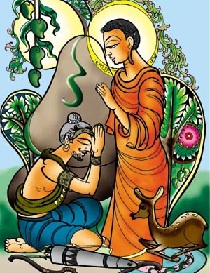
Within that area are the Tamgaly-Tas (“Stones with Signs”), one of Kazakhstan’s most popular tourist destinations and a UNESCO World Heritage site. The cliffs, about 120 kilometres from Almaty, are marked with thousands of rock paintings and carvings dating from the Bronze Age onward. Among the hunting scenes and animal figures are carvings of the Buddha, Buddhist mantras in Sanskrit and pictures of important Buddhist teachers.
Local legend has it that a Buddhist mission had stopped by the banks of the Ili River under some rock cliffs when a sudden earthquake caused a hunk of rock to fall from the cliffs near them. In gratitude at their deliverance, they created the largest Buddha image there, facing the sky from a large, sunblasted rock, before they continued.Elsewhere in Almaty oblast, the Kora River bursts through the mountains near the town of Tekeli. In the nearby river valley is a large, pyramid-shaped rock with Buddhist images carved into it. Surrounded by a well-beaten path, the rock’s images are complex and reflect many aspects of Tibetan Buddhism. There is a stupa, a snow lion holding a stupa (the snow lion often represents cheerfulness, clear-mindedness and fearlessness in Tibetan Buddhist traditions), and symbols representing a Buddhist concept of cycles of time. The path around the stone may indicate that passing Buddhists have practised walking meditation around it, venerating the object. This practice may also be an example of cultural borrowing between Buddhism and Islam in Kazakhstan: Kazakh sufis also walk around shrines and graves. They may meditate using mantras and breath cycles, often practice in small communities centred around a master and believe in rebirth and some other concepts associated with Buddhism. One visitor, the mountain climber and tour leader Andrey Gundarev, pointed out that the word “kora” – also the name of the river – means “circumnabulation” or “revolution” in Tibetan and refers to a walking meditation practice.
Not far from the monument is the Kayalyk settlement, the remains of an 8th – 13th century Silk Road city, and a World Heritage site since 2014. Now mostly earth and stone foundations, there are the remnants of several religious buildings, including a Buddhist temple, at the site, roughly 200 km from the regional centre of Taldykorgan.
It is possible that many Buddhist and other artefacts remain to be found across Kazakhstan’s huge territory. Near Sairam, in the South Kazakhstan oblast, an underground structure has been discovered that scientists believe may be a sixth century Buddhist temple.
Two sets of less ancient ruins, dating from the 17th century, may have been built at the behest of two
brothers: the Kalmyk leaders Ablai-taisha and Ochirtu-taisha. (The Kalmyks, also called Dzungars, were a tribe that left Dzungaria in northwest China in 1607 and took control of portions of what is now Kazakhstan.)
In Karakuly National Park in Karaganda oblast are the ruins of a Buddhist monastery now called Kyzyl Kensh Palace – “Red City” or “Red Ore” in Kazakh, named for its painted red walls. The ruin’s origins are still unclear: one theory says they’re the remains of an ancient Buddhist temple; another says they’re what is left of a 17th century monastery founded by Ochirtu-taisha, who lived there. Another theory posits an 18th century origin as a fort built by Buddhist Kalmyks trying to hold their territory.
The ruins remain a dark place for local residents – touching them has been thought to bring death or bad luck, according to a report on the Culturemap.kz website. Into the 20th century, some walls remained standing, but today only the foundations remain, though some restoration work has been done.
Not far from Ust-Kamenogorsk city is another set of 17th century ruins: the Ablaykyt Monastery, built between 1654 and 1656 by Ablai-taisha but demolished in 1670. Only the stone wall ringing the old fortress and religious site remains.
A related temple is now gone, but lives on in the name of Semey, formerly Semipalatinsk (“seven palaces”) – named for the seven-halled Buddhist temple on the old settlement of Dorzhinkit, where today’s Semey is now. The temples were destroyed in the latter part of the 17th century.
Kalmyk monasteries were once widespread in eastern Kazakhstan and the Zhetysu region, but as many monastery complexes were collections of yurts, little remains of them. The Kalmyks, however, took their religion with them when they left Kazakhstan: today, the Republic of Kalmykia, a semi-autonomous region of Russia, is the only European nation where Buddhism is a plurality religion.
sourse: Buddhist channel

Tuesday, January 12, 2016

How Buddhism gets localized

by Ven. Suduhumpola Wimalasara Thera, The Buddhist Channel,

Ven. Suduhumpola Wimalasara Thera highlights three countries - Sri Lanka, Japan and China - where Buddhism became a localized religion
Colombo, Sri Lanka -- The spread of Buddhism was due to two reasons. First was the royal patronage it received from Emperors Ashoka and Harsha later the Pala kings. The second was the popular support it received due to its essentially non intrusive nature of its dictates and practices. The countries that have the largest Buddhist populations are China, Japan, Thailand, Vietnam, Myanmar, Sri Lanka, South Korea, Taiwan, Cambodia, and India.
The spread of Buddhism far and wide also made its traditional teachings and philosophy subject to an assimilative process that made it indigenous to the host society and culture. The spread of Buddhism was always through missionaries and pilgrims who followed established trade routes. While it had to compete with established religions it was always amenable to the osmotic absorption of local beliefs and traditions. This paper examines how Buddhism is localized in Sri Lanka, Japan and India.
Sri Lanka
Buddhism arrived in Sri Lanka under royal patronage and became the state religion and a national identity. From its inception it became the sole religion of the state and the Buddhist monastic order was so fashioned that the Buddhist monk was royal advisor, educator and spiritual guide. To a great extent the same socio political order took root in Myanmar and Thailand. Sri Lanka is regarded as the cradle of pure Theravada Buddhism. While this school of Buddhism is soundly based on the Four Noble Truths which eventually leads to Nibbana and the end of suffering the localized Buddhism that is popularly practiced has more mundane objectives such as success in business, social mobility, political recognition etc. These worldly pursuits are far removed from the austere Buddhists teachings found in canonical texts.The Buddhists of Sri Lanka practice a form of devotional and ritualistic Buddhism that has a marginal relation to the Buddhist doctrine of suffering and Nibbana.
In day to day practice of localized Buddhism the ordinary Buddhist life is a series of rituals, ceremonies and traditions which serve to produce a society that is homogenous in terms of religious observances and the acceptance of the authority of the Buddhist clergy.
The rituals performed by Buddhists of Sri Lanka are in essence intended to gain worldly rewards and to prevent misfortune. In order to reach these objectives the Buddha and the monks are invested with supernatural powers.
The purpose of these practices is to gain as much merit as possible and the act of giving ‘Dana’ is central to this form of Buddhist living.
Max Weber when describing Buddhism in Sri Lanka as ‘Monastic Landlordism’ comes close to the localized Buddhism of Sri Lanka where the Temples held large tracts of land not so much as exploitative feudal land lords but benevolent custodians of the belief system that held the nation together.
Japan
Buddhism reached the shores of Japan as the religion of the elite society. It was established in the Nara imperial court. Gradually it spread among the general population simultaneous to its synthesis with Shinto. The adoption of Buddhism as the official religion of the court was an accident that owes its occurrence to the ascendancy of the Soga family. During the Taikareforms , Buddhism became the instrument of power of the emperor paving way for the creation of a state sponsored and state administered Buddhism where the monks were recognized officials. Yet Buddhism remained confined to the aristocracy with ordinary people rarely involved in the practice of the religion. This court monopoly of Buddhism in Nara was the cause of the removal of the seat of government from Nara and the shift to Kyoto.
The shift of the imperial capital to Kyoto by Emperor Kammu at the close of the 8th century marked the beginning of the Heian period and the golden years of imperial patronage of Buddhism. The new emperor removed himself from the Nara temples and founded a long line of temples in the environs of Kyoto. The end of the Heian period marked the rise of the warrior class which in turn had a major impact on Buddhism and its role in Japans political order. Increasingly people turned to religion with Buddhist priests who were used to lavish lifestyles were ignored or marginalized with new sects coming to fill the void and meet the needs of the people.
In this backdrop of political upheaval and religious transformations three distinct sects of Buddhism, True Pure Land, Nichiren, and Zen, gained tremendous popularity. While the old established and powerful monasteries were busy pursuing their economic and political ambitions, the new orders spread their teaching that helped spread Buddhism throughout Japan.
For centuries thereafter, Buddhism was more a political instrument than a belief system. The systems of government under imperial rule or the Shoguns influenced the practice of Buddhism.
China
Buddhism morphed in to a definite Chinese mold that was compatible with the Chinese way of life or the Chinese world view. Thus Buddhism adopted ancestral worship and obscure texts brought from India on filial piety became core belief systems. Buddhism spread faster in northern China where social dynamics helped demolish cultural barriers between the elite ruling families and the general population; In contrast the southern aristocracy and royal families retained their monopoly on power. Daoist and Confucian political ideology helped sustain the political status of elite clans in the south. Finally Buddhism gained official support during the reign of Emperor Wu of the Liang Dynasty. However Buddhism spread fast among the peasantry both in the north and the south.
The immense popularity of Buddhism during the Tang Dynasty is evident from the many caves and structures that survive to date.
As the first religion to come in to China from outside Buddhism has had a major impact on Chinese culture, politics, literature and philosophy for nearly two millennia during which Buddhism was totally and irrevocably localized.
Conclusion
Buddhism is a belief system that evolved in a society that was already under the influence of Hindu Brahamin teaching. The Buddha in seeking the truth to his satisfaction was a social reformer who questioned many of the traditions, surmises and even the dogma that was contemporary to his time. Therefore it was inevitable that his teachings were founded on strong moral assumptions that determined whether a specific act under defined conditions was right [moral] ,wrong [immoral] or neutral [neither right or wrong and hence no moral implication].
Thus Buddhism when transplanted in any society had the advantage of immediately triggering a discussion or debate on ‘Morality? This usually happened according to the composition, structure and genius of that particular society, group or country. It is this unique character of Buddhism that makes it even today a `Science of Morality’. This allows Buddhism as practiced in any country to seek the ‘Moral Truth’ in the context within which it is engaged. The French anthropologist Claude Levi-Strauss of the Sorbonne in Paris wrote on Buddhism "Between this form of religion and myself, there was no likelihood of misunderstanding. It was not a question of bowing down in front of idols or of adoring a supposed supernatural order, but only of paying homage to the decisive wisdom that a thinker, or the society which created his legend, had evolved twenty-five centuries before and to which my civilization could contribute only by confirming it".
This examines Buddhism through an anthropological lens. Hence it does not follow the familiar path of the textual, historical and philosophical analysis. It is necessary to see Buddhism in these different landscapes of Sri Lanka, Japan and China though local practices and traditions instead of the pure textual scripture. It is of course easy to dismiss these traditions and rituals as aberrations or corruptions of the pristine text. However that would be a myopic construction of a far deeper reality of Buddhism as a living experience in the countries that are examined in this paper. Most western scholars associate the practiced Buddhism with notions of political influences such as power, tribe and ethnicity. The anthropology of Buddhism in almost every Asian country contains a wide array of local religious rituals which can only be explained as local compulsions through the millennia since the first sermon at the Deer park at Isipathana.
--------
Ven. Suduhumpola Wimalasara Thera is the Chief incumbent of Japan Naritasan Joso Temple. He is also founder of Daham Sevane Singiththo,The International Development Foundation. Visit the site for more info:
www.dahamsevanesingiththo.lk
SOURSE: BUDDHIST CHANNEL

Protection of Buddhism - Sine qua non in any Constitutional reform

by Senaka Weeraratna, The Buddhist Channel, Jan 12, 2016

Colombo, Sri Lanka -- In the light of the proposed changes to the Constitution of Sri Lanka now under consideration and growing accusations of contrived attempts to neutralise the applicability of Article 9 in the Constitution that imposes a mandatory duty on the State to give to Buddhism the foremost place and protect and foster the Buddha Sasana, while assuring to all religions the rights granted by Articles 10 and 14(1)(e), an important question has arisen “ What is the relationship that should exist in the present day between the State and Buddhism?

It is an incontrovertible fact that Buddhism, more than other ideology or religion, has played a singular role in creating an unique civilization and shaping the destinies of this country. Sri Lanka is the oldest Buddhist nation in the world. If not for the continuance of the Dhamma, through the study and practice of it in this country, it is unlikely that there would even be a semblance of pure Sasana in Thailand, Myanmar, Laos, or Cambodia.
It is in Sri Lanka that the Wheel of the Buddha’s law was truly set in motion with the arrival of Arahant Mahinda with the blessings of that great universal monarch, Emperor Asoka. If this event did not take place in Sri Lanka, the Pali Canon may not have got recorded and the noble doctrine of the Buddha, recited and accepted by the Arahats, at Rajagaha, Vesali and Pataliputta, i.e. three Great Councils of the Arya Sangha, would have vanished into thin air long ago.
Arahant Mahinda not only introduced the Dhamma but he also taught it in such a manner that it soon became the overriding element in all the activities of our people in the past, enthused them to develop an altogether new culture, which has become the basis of the social  outlook of the vast majority of our people even to this day. Such is the hold of the Dhamma so ingrained in almost every facet of this country that the Buddhist public very rightly feel that it is something they cannot do without as it is now representative of their life blood, more or less. The day the Buddha Dhamma is abandoned or allowed to fade or wither away with the removal of patronage of our rulers and the protection afforded by the Constitution which was also explicitly set out in Article 5 of the Kandyan Convention of 1815,  that is the day this country would have truly lost its very soul.  
In the pre-colonial period the Sinhalese Monarch protected the Buddha Sasana and maintained its purity as one of his primary duties. He exercised his power and authority over the religion to prevent schisms and heretical interpretations of the Dhamma.   He invoked the “dasa raja dhamma” as a basis of governance. He developed an Animal Friendly Cultural Heritage which is unique to Sri Lanka. The tenet ‘compassion to all living beings’  based on the Buddha’s words in the Karaniya Metta Sutra was heavily influential in the choice of both vocation and diet.  When foreigners came to this country beginning in 1505 they found the Buddhists united and strong. To weaken this unity they adopted every means to divide them. The post – independent Sri Lanka has a fundamental obligation to strengthen the status of Buddhism.
It is our historical track record of service to the cause of Buddhism that has shaped our national identity and brought universal recognition to this country and still continues to do so.
It therefore falls on the current and future generations to ensure that Buddhism continues to flourish in Sri Lanka and that the State performs its historic public duty, as enshrined in the National Constitution, to extend patronage, protection and foster Buddhism both within and outside the country. Any attempt directly or indirectly through tampering with the Constitution to stalemate the applicability of Article 9 which gives foremost place to Buddhism is fraught with grave danger to peaceful co – existence among various communities in Sri Lanka. 

----------
Senaka Weeraratna is an Attorney at Law. Holds a Bachelor of Laws degree (University of Sri Lanka), and Master of Laws (Monash University, Australia). Holds a Diploma (Buddhist Studies) and Master of Arts (Buddhist Studies) obtained from the Post – Graduate Institute of Pali and Buddhist Studies, University of Kelaniya.
SOURSE: BUDDHIST CHANNEL

Patna University (PU) to tie up with Buddhist nations

  by Pranava K Chaudhary, TNN, Jan 10, 2016

Patna, India -- Patna University will soon collaborate with Buddhist countries to promote Buddhist studies, which will bring the university on international radar. For this purpose, an international meet will be held here later this year, in which several Asian delegates are expected to be present.Chairman of Buddhist Monuments Development Council (BMDC) Arvind Alok on Saturday met Patna University VC Y C Simhadri to chalk out details of this plan. Alok told TOI that Mongolian ambassador has agreed to support Patna University in this regard.
Alok met the PU VC at his residential office, during which he appreciated the interest of latter's wife, who is of Japanese origin, in the proposed collaboration. Mongolian ambassador G Gonbold confirmed his participation in the proposed meet during his talks with the PU VC and Alok over phone from New Delhi.
"Such activities will also play a vital role in promotion of educational environment in the university. Since ancient Patliputra had a rich legacy of Buddhist tradition, there will be peace and right educational atmosphere on the campus," Alok told TOI. The international meet in the university would be attended by ambassadors of Buddhist countries and eminent scholars. Patna University VC Simhadri is also very keen on promoting the university in the international arena. BMDC will facilitate the university in establishing academic collaborations with various Buddhist countries. Buddhist countries have a natural interest in ancient Patliputra and their governments are willing to support Patna University, Alok said.
To encourage Buddhists from across the country, Patna University VC was also advised to establish an international Buddhist studies chair in the university. The chair will include study of Buddhist issues related to Japan, China, Sri Lanka, Korea and Mongolia.
SOURSE: BUDDHIST CHANNEL

Friday, January 1, 2016

Friday, December 25, 2015

Buddhist family meet

Buddhist family meet on 25th Dec.at Palakkad.Ven.Sugathapala Banteji Jethavan Buddha vihara, Bangalore)lead the Spiritual program(Chanting, Meditation,Dheeksha).Dhmma mithra Binoj Babu(Thrirathna Bouddha maha Sang- Kerala,Dhammachari Aravind Bodh(Prsident, Neo Buddhist society T.N) took classes on 'What is Buddhism and for what is Buddhism', 'Prabuddha Barath in the view of Babasaheb Ambedker'.Welcome address by N.Haridas Bodh ( Kerala mahabodhi mission)


Monday, December 21, 2015

7 minutes of this Loving Kindness Meditation can reduce racism

Agencies, Nov 23, 2015

New Delhi, India -- All you need is just 7 minutes of meditation to fight racism a new study has revealed.
This technique, that's intended to create feelings of kindness can also reduce prejudice.The study found that just seven minutes of Loving-kindness meditation (LKM), a Buddhist practise that promotes unconditional kindness towards oneself and others, is effective at reducing racial bias.
Lead researcher Alexander Stell said that this indicates that some meditation techniques are about much more than feeling good, and might be an important tool for enhancing inter-group harmony.
LKM is known to engender happiness and kindness to oneself and others through repeating phrases such as `may you be happy and healthy' while visualising a particular person.
The researchers found that just seven minutes of LKM directed to a member of a specific racial group (in this case, a black person) was sufficient to reduce racial bias towards that group. However, there was no marked reduction in racial bias towards other groups.
Additionally the researchers meas ured levels of positive emotions that were either `other-regarding' (e.g. love, gratitude, awe, elevation) and those that were more selfdirected (e.g. contentment, joy , pride) and found that people doing LKM showed large increases specifically in other-regarding emotions.
These other-regarding emotions were found to be what drives the reduction of bias.
SOURSE: BUDDHIST CHANNEL

World-Famous Buddhas of Bamiyan Resurrected in Afghanistan


Press Trust of India, June 15, 2015

Kabul, Afghanistan -- Fourteen years after the Taliban dynamited the world-famous Buddhas of Bamiyan, the giant statues were resurrected with 3D light projection technology in the empty cavities where they once stood in Afghanistan.
<< The projected image of a Buddha statue in Bamiyan that had been destroyed by the Taliban in 2001. (AFP Photo)
The project was undertaken by a Chinese couple who used 3D laser light projection technology to fill the empty cavities in the cliff in the Bamiyan Valley in Hazarajat with Buddha's virtual images, 230 km northwest of Kabul.
The couple - Janson Yu and Liyan Hu - were saddened by the destruction of the two statues which were carved during the 6th century and decided to undertake the project.
They took permission both from the Afghan government and UNESCO to bring the statues back for one night only in the empty cavities in the cliff.
The event on June 7 saw projectors displaying huge holographic statues of the exact size of the precious cultural monuments that were lost, accompanied by music.
"The projections were not widely publicised, but over 150 people came to see the spectacle. Crowds remained well into the night and some people played music while others looked on," a journalist, who witnessed the show, was quoted as saying by The Atlanic.
Both Standing Buddhas - 115 ft and 174 ft tall - were carved out of sandstone cliffs and stood at one point painted and gilded. They managed to survive for more than 1500 years.
But the Taliban dynamited and destroyed them in March 2001 as part of a campaign to remove all non-Islamic art from Afghanistan.
The statues were among the most famous cultural landmarks of the region, and the site was listed by UNESCO as a World Heritage Site along with the surrounding cultural landscape and archaeological remains of the Bamiyan Valley.
Japan and Switzerland, among others, have pledged support for the rebuilding of the statues.
SOURSE: BUDDHIST CHANNEL